IVF Treatment in Indore – Everything You Need to Know | Praarambh IVF, Dr. Yogita Parihar
For many couples across Madhya Pradesh, the words ‘IVF treatment’ carry enormous emotional weight — equal parts hope, uncertainty, and unanswered questions. Some couples encounter IVF for the first time in a doctor’s consulting room; others have been researching it for months. In either case, understanding what IVF truly involves — the process, the timeline, the realistic chances of success, and the cost — is the most important step toward making a confident, informed decision.
At Praarambh IVF in Indore, Dr. Yogita Parihar has helped hundreds of couples across Madhya Pradesh transform that hope into a reality. As one of the region’s most experienced and compassionate fertility specialists, she believes firmly that every couple deserves honest, complete information — before, during, and after treatment.
This blog covers everything you need to know about IVF treatment in Indore: what IVF is, who it is for, how it works step by step, what affects its success, what it costs, and why Praarambh IVF is the trusted choice for couples across MP.
What Is IVF? Understanding In Vitro Fertilisation
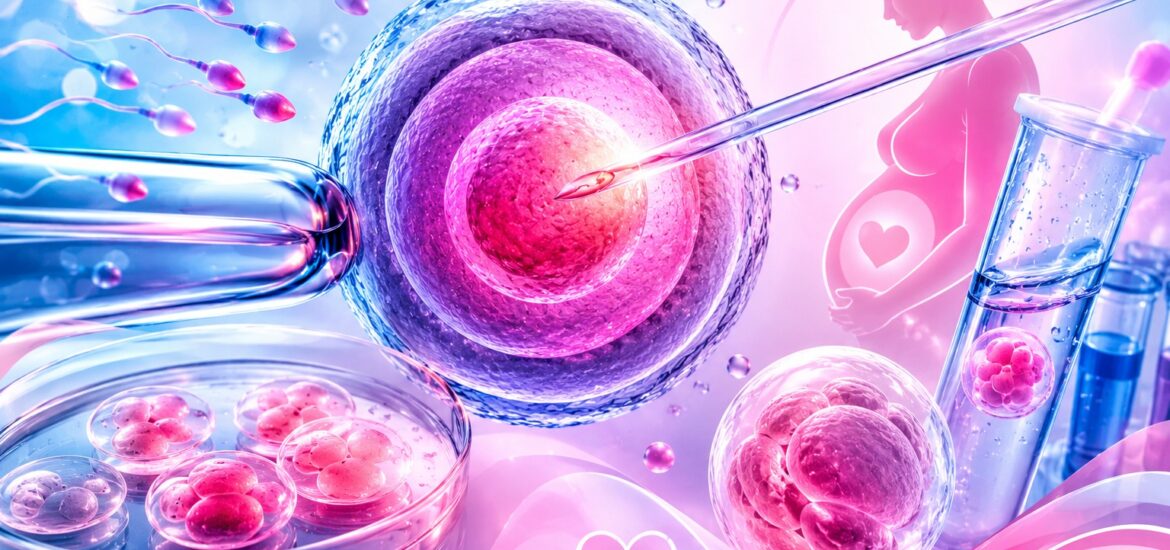
IVF — In Vitro Fertilisation — is the most effective assisted reproductive technology (ART) available today. The term ‘in vitro’ comes from Latin, meaning ‘in glass,’ reflecting the fact that fertilisation takes place outside the human body, in a carefully controlled laboratory environment, rather than inside the fallopian tube as it does during natural conception.
During IVF, a woman’s ovaries are stimulated to produce multiple mature eggs. These eggs are then retrieved, fertilised with sperm in the embryology laboratory, and the resulting embryo is transferred into the uterus — where it is hoped it will implant and grow into a healthy pregnancy.
IVF is highly versatile. It works effectively for blocked fallopian tubes, male factor infertility, PCOS, endometriosis, unexplained infertility, advanced maternal age, and many other conditions. Furthermore, it forms the foundation for additional advanced techniques such as ICSI, PGT, frozen embryo transfer, and donor egg cycles.
Key fact: IVF has been used safely worldwide since 1978. Over 8 million babies have been born through IVF globally — and at Praarambh IVF in Indore, the journey to joining that number begins with a single consultation with Dr. Yogita Parihar.
Who Is IVF Recommended For?
Dr. Yogita Parihar at Praarambh IVF recommends IVF when other fertility treatments have not succeeded, or when the diagnosis points directly to IVF as the most appropriate and effective option. Common indications include:
| Condition | How IVF Helps |
| Blocked or damaged fallopian tubes | IVF bypasses the tubes entirely — eggs and embryos never pass through them |
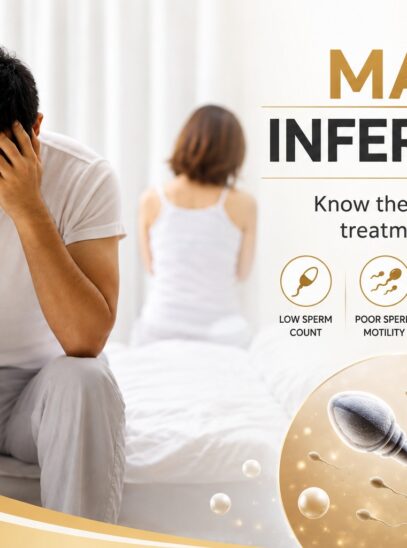
| Male factor infertility | IVF with ICSI allows a single sperm to fertilise each egg directly |
| PCOS / Ovulation disorders | IVF controls the ovulation process precisely in the laboratory |
| Endometriosis | IVF bypasses the hostile pelvic environment endometriosis creates |
| Unexplained infertility | IVF provides both diagnostic insight and treatment simultaneously |
| Recurrent miscarriage | IVF with PGT selects chromosomally normal embryos for transfer |
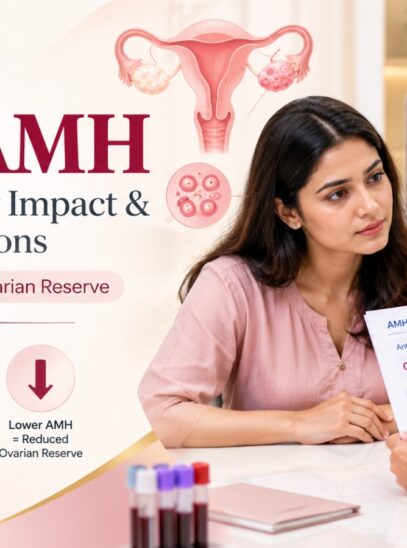
| Low ovarian reserve / Low AMH | IVF maximises the yield from remaining eggs with tailored protocols |
| Advanced maternal age (35+) | IVF with PGT-A improves success and reduces miscarriage risk |
| Failed IUI cycles (3–4 attempts) | IVF is the evidence-based next step after IUI failure |
| Azoospermia (no sperm in ejaculate) | TESA-ICSI retrieves sperm surgically for use in IVF |
The IVF Treatment Process – Step by Step
One of the most common concerns couples share with Dr. Parihar is simply not knowing what to expect. Understanding each stage of IVF removes much of the anxiety surrounding the process. Here is a clear, complete walkthrough of the IVF cycle at Praarambh IVF:
Step 1 — Initial Consultation and Fertility Investigation
Your IVF journey at Praarambh IVF begins with a thorough, unhurried consultation with Dr. Yogita Parihar. She reviews your complete medical history, previous treatment records, and current concerns. Both partners are assessed — including hormonal blood tests, an ultrasound scan of the ovaries and uterus, and a detailed semen analysis. This comprehensive workup forms the foundation of your entirely personalised treatment plan.
Step 2 — Stimulation Protocol Design
Based on your test results, Dr. Parihar selects the most appropriate ovarian stimulation protocol for you specifically. Importantly, she never applies a standard template — every protocol at Praarambh IVF is customised to the individual patient’s ovarian reserve, age, and diagnosis.
Step 3 — Ovarian Stimulation (10–14 Days)
Daily hormone injections — typically FSH and/or LH — stimulate your ovaries to develop multiple follicles simultaneously, rather than the single egg that grows in a natural cycle. Throughout this phase, you attend regular ultrasound scans and blood tests at Praarambh IVF so Dr. Parihar can monitor follicle growth and fine-tune medication doses in real time.
Step 4 — Trigger Injection
When your follicles reach the optimal mature size — approximately 18–20mm — a precisely timed trigger injection is administered. This triggers the final maturation of your eggs. Egg retrieval is then scheduled exactly 36 hours later.
Step 5 — Egg Retrieval (Oocyte Pick-Up)
Egg retrieval is a minimally invasive day-care procedure performed under light intravenous sedation — so you are comfortable and unaware throughout. Using ultrasound guidance, the doctor uses a fine needle to aspirate the follicular fluid from both ovaries and collect the mature eggs. The procedure typically takes 20–30 minutes. You rest for a short time at the clinic and return home the same day.
Step 6 — Sperm Collection and Preparation
On the same day as egg retrieval, a semen sample is produced by the male partner and processed in the andrology laboratory. The best-quality, most motile sperm are selected for fertilisation. In cases of male infertility, sperm may be retrieved surgically via TESA or PESA and used directly for ICSI.
Step 7 — Fertilisation in the Laboratory
In standard IVF, eggs and sperm are placed together in a culture dish and fertilisation occurs naturally. In ICSI — used when male infertility is a factor — a single sperm is injected directly into each mature egg using a specialised micromanipulator. The embryologist checks for successful fertilisation the following morning.
Step 8 — Embryo Culture and Development (Days 1–5)
Successfully fertilised eggs develop into embryos in a specialised incubator that closely mimics the conditions of the human body. The embryology team at Praarambh IVF monitors development daily. By day 5, the best embryos have reached the blastocyst stage — the most advanced and viable point for transfer. Additionally, surplus good-quality embryos can be vitrified (frozen) at this stage for future use.
Step 9 — Embryo Transfer
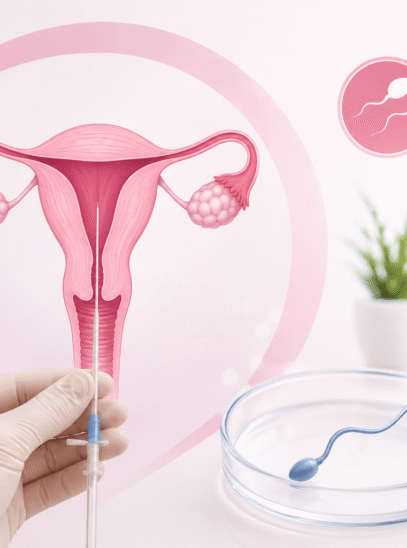
The selected embryo is loaded into a thin, flexible catheter and gently guided through the cervix into the uterus under ultrasound visualisation. This procedure requires no anaesthesia, takes only a few minutes, and is virtually painless for the vast majority of patients. Dr. Yogita Parihar performs all embryo transfers personally at Praarambh IVF.
Step 10 — Luteal Phase Support
Following the transfer, progesterone supplementation — via pessaries, gel, or injection — is prescribed to support the uterine lining and create the most favourable environment for implantation. This continues for approximately two weeks.
Step 11 — Pregnancy Test
Approximately 12–14 days after embryo transfer, a blood test measures the beta-hCG hormone level. A positive result confirms that a pregnancy has been established. Dr. Parihar and her team guide you through whatever the result is — celebrating success, or planning the best next steps if the result is not yet positive.
IVF Treatment Timeline at a Glance
| Phase | Duration | What Happens |
| Initial investigations | 1–2 weeks | Blood tests, scans, semen analysis, protocol planning |
| Ovarian stimulation | 10–14 days | Daily injections + monitoring scans every 2–3 days |
| Egg retrieval day | 1 day | Day-care procedure under sedation |
| Fertilisation + culture | 3–5 days | Embryo development monitored in laboratory |
| Embryo transfer day | 1 day | Painless procedure; no sedation required |
| Two-week wait | 12–14 days | Progesterone support; rest recommended |
| Pregnancy blood test | Day 14 | Beta-hCG confirms or rules out pregnancy |
| Total cycle duration | 4–6 weeks | From stimulation start to pregnancy result |
IVF Success Rates – What to Realistically Expect
IVF success rates are influenced by several factors — most importantly a woman’s age, ovarian reserve, embryo quality, and the underlying diagnosis. At Praarambh IVF, Dr. Yogita Parihar always provides honest, personalised success rate estimates — never misleading averages designed to impress rather than inform.
| Woman’s Age | Average Success Rate per Cycle | Key Consideration |
| Under 35 | 50–60% | Best outcomes; excellent egg quality |
| 35–37 | 40–50% | Slight decline in egg quality |
| 38–40 | 30–40% | More noticeable decline; PGT-A may help |
| 41–42 | 15–25% | Significant decline; PGT-A recommended |
| Over 43 | 5–10% (own eggs) | Donor egg IVF usually recommended |
Importantly, cumulative success rates — across 2–3 cycles — are substantially higher than per-cycle figures. Furthermore, factors such as personalised protocol design, laboratory quality, and the doctor’s clinical judgement significantly influence where an individual couple’s outcomes fall within these ranges.
What Factors Influence IVF Success?
- Age of the woman — the single most important biological factor in IVF outcomes
- Ovarian reserve — AMH level and antral follicle count determine how many eggs are retrieved
- Sperm quality — count, motility, morphology, and DNA fragmentation all matter
- Embryo quality — directly influenced by egg and sperm quality and laboratory conditions
- Uterine receptivity — the thickness and pattern of the endometrial lining at transfer
- Stimulation protocol — personalised protocols consistently outperform standard ones
- Laboratory standards — incubation conditions and embryologist expertise are critical
- Lifestyle — healthy weight, no smoking, no alcohol, and good sleep all support better outcomes
IVF for Specific Conditions – Tailored Treatment at Praarambh IVF
IVF for PCOS
Women with PCOS often respond strongly to stimulation and produce high numbers of eggs. However, this also increases the risk of Ovarian Hyperstimulation Syndrome (OHSS). Therefore, Dr. Parihar uses low-dose stimulation protocols and freeze-all strategies — where all embryos are vitrified and transferred in a separate, calmer cycle — to maximise both safety and success for PCOS patients.
IVF for Blocked Fallopian Tubes
Because IVF retrieves eggs directly from the ovaries and places embryos directly into the uterus, blocked tubes are essentially irrelevant to IVF success. Consequently, IVF is one of the most effective solutions for tubal factor infertility. Women with hydrosalpinx (fluid-filled tubes) achieve better outcomes after surgical treatment of the affected tube before IVF.
IVF with ICSI for Male Infertility
When sperm count is low, motility is poor, or morphology is abnormal, ICSI (Intracytoplasmic Sperm Injection) replaces standard fertilisation. A single healthy sperm is injected directly into each egg, bypassing all natural barriers. Even in cases of azoospermia — where no sperm appear in the ejaculate — surgically retrieved sperm via TESA or PESA can be used with ICSI at Praarambh IVF.
IVF for Recurrent Miscarriage
For couples who have experienced recurrent pregnancy loss, IVF combined with Pre-implantation Genetic Testing (PGT-A) allows embryos to be screened for chromosomal abnormalities before transfer. As a result, only chromosomally normal embryos are transferred — significantly reducing the risk of miscarriage and improving the chances of a healthy ongoing pregnancy.
IVF with Donor Eggs
For women with very low or absent ovarian reserve, Premature Ovarian Insufficiency (POI), or repeated IVF failure with own eggs, donor egg IVF offers consistently high success rates — typically 60–70% per transfer. Eggs from a young, thoroughly screened donor are fertilised with the partner’s sperm, and the resulting embryo is transferred to the recipient’s uterus. Dr. Parihar discusses this option openly and sensitively, ensuring couples feel fully supported in their decision.
Advanced IVF Techniques at Praarambh IVF
| Technique | What It Is | Best Used For |
| ICSI | Single sperm injected directly into each egg | Male infertility, previous fertilisation failure |
| Blastocyst culture | Embryos cultured to day 5 for better selection | Improved implantation rates; PGT cycles |
| Vitrification (FET) | Flash-freezing of embryos for future use | Surplus embryos, PCOS freeze-all, banking strategy |
| PGT-A | Chromosomal screening of embryos before transfer | Recurrent miscarriage, age 38+, repeated IVF failure |
| TESA / PESA | Surgical sperm retrieval from testis or epididymis | Azoospermia, obstructive male infertility |
| Donor egg IVF | Young donor eggs fertilised with partner sperm | Low AMH, POI, age-related infertility |
| Assisted hatching | Laser thinning of embryo shell before transfer | Recurrent implantation failure, frozen embryos |
How to Prepare for Your IVF Cycle – Dr. Parihar’s Checklist
Preparation plays a genuine and meaningful role in IVF outcomes. Here is what Dr. Yogita Parihar recommends to every couple beginning their IVF journey at Praarambh IVF:
- Start folic acid (400–800mcg daily) at least 3 months before your cycle
- Reach and maintain a healthy body weight — both partners benefit
- Stop smoking completely — it reduces egg quality, sperm quality, and IVF success rates significantly
- Eliminate alcohol throughout treatment and the early weeks of pregnancy
- Manage stress actively — gentle yoga, walking, and meditation all help
- Prioritise 7–8 hours of quality sleep per night — hormonal balance depends on rest
- Take vitamin D and antioxidant supplements as recommended by Dr. Parihar
- Attend every monitoring scan and blood test without delay — timing is critical
- Ask every question you have — no question is too small at Praarambh IVF
IVF Treatment Cost in Indore – Transparent Pricing at Praarambh IVF
At Praarambh IVF, transparent pricing is a fundamental part of how Dr. Parihar runs her clinic. Every couple receives a complete, written cost estimate before any treatment begins — with no hidden charges and no surprises.
| Treatment | Approximate Cost (INR) | Notes |
| Basic IVF cycle | ₹90,000 – ₹1,40,000 | Stimulation, retrieval, culture, transfer |
| Stimulation medications | ₹25,000 – ₹55,000 | Varies with protocol and response |
| ICSI (if required) | ₹15,000 – ₹25,000 | Added when male factor is present |
| Embryo vitrification (freezing) | ₹15,000 – ₹20,000 | For surplus good-quality embryos |
| Frozen Embryo Transfer (FET) | ₹25,000 – ₹45,000 | Much lower than a fresh cycle |
| PGT-A Genetic Testing | ₹20,000 – ₹35,000 | Per embryo biopsy; lab fees separate |
| TESA — Surgical Sperm Retrieval | ₹15,000 – ₹25,000 | For azoospermia cases |
| Donor Egg IVF | ₹1,40,000 – ₹2,40,000 | Complete cycle including donor costs |
Total realistic IVF cost at Praarambh IVF: ₹1,20,000 – ₹2,00,000 for a standard IVF cycle including medications. Frozen embryo transfer (FET) cycles cost significantly less. A personalised written breakdown is provided at your first consultation.
Why Couples Choose Praarambh IVF in Indore
With multiple fertility clinics available across Madhya Pradesh, choosing the right one is one of the most important decisions a couple makes. Here is why Praarambh IVF consistently stands apart:
- Dr. Yogita Parihar personally oversees every case — from first consultation to embryo transfer and beyond
- Every treatment plan is fully personalised — no standard protocols, no shortcuts
- Advanced embryology laboratory meeting the highest national standards
- Complete, transparent pricing communicated before any treatment begins
- Emotional support and patient counselling throughout every cycle
- Strong IVF success rates across all age groups and diagnoses
- Patients welcomed from across MP — Indore, Bhopal, Ujjain, Jabalpur, Ratlam and beyond
- Word-of-mouth referrals from successful patients are Praarambh IVF’s strongest endorsement
A Patient’s Journey – From Hope to Family
“After five years of trying and two failed IVF cycles at another clinic, we came to Dr. Yogita Parihar at Praarambh IVF feeling hopeless. She listened to everything, reviewed all our previous records, and found that I had a mild uterine septum that had been completely missed. After a hysteroscopy and a new protocol, our first transfer at Praarambh IVF worked. Our son is now 14 months old. We are forever grateful to Dr. Parihar and her entire team.” — Meena & Rajesh, Indore
“My husband had azoospermia — we were told we had no options without donor sperm. Dr. Parihar explained TESA-ICSI to us and gave us real hope. The procedure worked, and we now have twin daughters. We had given up; she gave us back everything.” — Sunita & Vikram, Bhopal
Frequently Asked Questions About IVF at Praarambh IVF, Indore
Q1. Is IVF treatment painful?
For most patients, IVF is far more manageable than they initially expect. The daily injections cause mild discomfort comparable to any injection. Some women experience bloating or pelvic pressure during stimulation, which is temporary. Egg retrieval is performed under light sedation — so there is no pain during the procedure. Embryo transfer is virtually painless and requires no anaesthesia. The Praarambh IVF team prioritises your physical comfort at every single stage.
Q2. How many IVF cycles will I need before I get pregnant?
This depends on your age, diagnosis, ovarian reserve, and embryo quality. Some couples succeed on their very first cycle; others need two or three attempts. Importantly, cumulative success rates across multiple cycles are significantly higher than any single-cycle figure. Dr. Parihar reviews outcomes thoroughly after each cycle and adjusts the protocol to improve results with every subsequent attempt.
Q3. Can I continue working during IVF treatment?
Yes — most women work normally throughout their IVF cycle. The exception is egg retrieval day and the following day, when rest is advised. Monitoring appointments are typically scheduled in the morning to minimise disruption to your working day. The Praarambh IVF team works around your schedule wherever possible.
Q4. Are IVF babies as healthy as naturally conceived babies?
Yes. Decades of global research confirm that children born through IVF have no greater risk of health or developmental problems than naturally conceived children. Over 8 million IVF babies have been born worldwide since 1978, with outstanding long-term health outcomes. Furthermore, the procedure itself carries no known long-term health risks for either the mother or the child.
Q5. What happens if IVF does not work the first time?
A result that is not positive is not the end of the journey. Dr. Yogita Parihar reviews the cycle in detail — examining fertilisation rates, embryo development, and endometrial response — to understand what can be improved. She then presents a clear, honest plan for the next step. Whether that means modifying the protocol, investigating further, or exploring other options, you will never face an unsuccessful cycle without a clear path forward at Praarambh IVF.
Q6. How do I start IVF treatment at Praarambh IVF in Indore?
Starting is simple. Visit www.praarambhivf.com or contact the clinic directly to book your first consultation with Dr. Yogita Parihar. At that appointment, she reviews your history, discusses your concerns, and — if investigations are needed — arranges them before your next visit. Most couples have a complete picture and a personalised treatment plan within two weeks of their first consultation.
Begin Your IVF Journey at Praarambh IVF, Indore
The decision to pursue IVF is one of the most significant choices a couple makes — and it deserves to be made with complete information, realistic expectations, and a doctor you genuinely trust. At Praarambh IVF in Indore, Dr. Yogita Parihar brings together clinical excellence, advanced technology, and the kind of deeply personal care that makes every patient feel seen, supported, and never alone.
Whether you are taking your first step into fertility treatment or seeking a second opinion after previous attempts, Praarambh IVF is ready to walk this journey with you — from your first consultation to the moment you hold your baby.
Your family is waiting. Your journey starts with a single conversation. Book your personal consultation with Dr. Yogita Parihar at Praarambh IVF, Indore today — and take the first confident step toward the parenthood you deserve.
CLINIC INFORMATION — ADD TO BLOG FOOTER / SIDEBAR
Clinic: Praarambh IVF
Doctor: Dr. Yogita Parihar — Fertility Specialist & Reproductive Medicine Expert
Location: Indore, Madhya Pradesh
Website: https://www.praarambhivf.com/
Services: IVF | IUI | ICSI | FET | PGT | Egg Freezing | Donor IVF | PCOS | RPL | TESA | Hysteroscopy
Serves: Indore, Bhopal, Ujjain, Jabalpur, Ratlam, Dewas and all of Madhya Pradesh
INTERNAL LINKS TO ADD IN WORDPRESS
Add these internal links within the blog content to boost SEO and page depth:
- Link “IUI treatment” to your IUI service page
- Link “ICSI” to your ICSI service page
- Link “PCOS” to your PCOS fertility blog or service page
- Link “Dr. Yogita Parihar” to your About the Doctor page
- Link “Praarambh IVF Indore” to your homepage
- Link “book your consultation” to your Contact / Appointment page
Website: https://www.praarambhivf.com/ | Indore, Madhya Pradesh | Dr. Yogita Parihar