PCOS / PCOD – Causes, Symptoms, and Complete Treatment Guide at Praarambh IVF, Indore
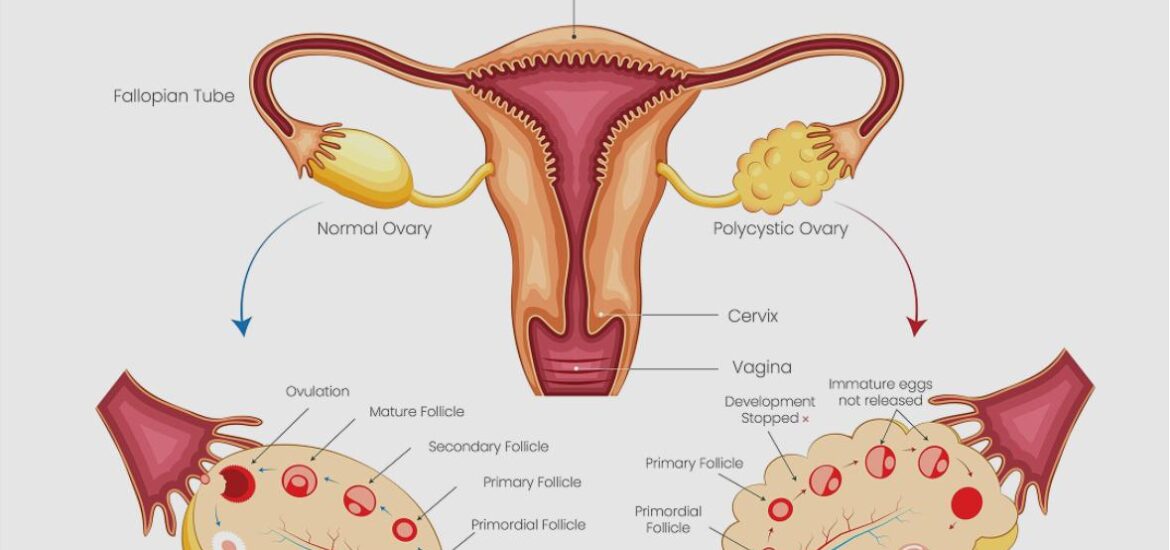
Polycystic Ovary Syndrome — known as PCOS or PCOD — is one of the most common hormonal conditions affecting women of reproductive age in India today. In Madhya Pradesh alone, a significant number of women live with PCOS without even knowing it, often attributing their symptoms to stress, lifestyle, or simply ‘irregular periods.’ Yet PCOS is far more than a menstrual inconvenience — it is a complex hormonal disorder that can affect fertility, metabolism, weight, skin, and long-term health if left unmanaged.
The good news is this: PCOS is highly treatable. With the right diagnosis, the right lifestyle changes, and the right medical support, most women with PCOS live full, healthy lives — and the vast majority who wish to have children go on to conceive successfully.
At Praarambh IVF in Indore, Dr. Yogita Parihar is one of Madhya Pradesh’s most experienced specialists in PCOS and PCOD management. Her approach is thorough, personalised, and genuinely patient-centred — combining hormonal treatment, fertility support, and lifestyle guidance to help every woman with PCOS achieve her individual goals, whether that is better health, regular cycles, or a healthy pregnancy.
PCOS vs PCOD – What Is the Difference?
The terms PCOS and PCOD are often used interchangeably in India — but they are not identical. Understanding the distinction helps couples and patients have more informed conversations with their doctor.
| Feature | PCOD (Polycystic Ovarian Disease) | PCOS (Polycystic Ovary Syndrome) |
| Nature | A condition affecting the ovaries | A complex hormonal syndrome |
| Severity | Generally milder | More complex; wider systemic effects |
| Hormonal imbalance | Mild to moderate | Often significant |
| Fertility impact | Less severe; many conceive naturally | Can significantly affect ovulation |
| Metabolic effects | Less common | Insulin resistance, diabetes risk |
| Prevalence | Very common | Slightly less common but more serious |
| Treatment focus | Lifestyle + hormonal regulation | Comprehensive management required |
Key point: Both PCOS and PCOD are caused by hormonal imbalances and affect the ovaries. However, PCOS is the broader, more clinically significant syndrome — and the one most commonly associated with fertility challenges. At Praarambh IVF, Dr. Yogita Parihar assesses both conditions with equal thoroughness.
What Is PCOS? Understanding Polycystic Ovary Syndrome
PCOS is a hormonal disorder in which the ovaries produce higher-than-normal levels of androgens (male hormones) — such as testosterone — which interfere with the normal development and release of eggs. As a result, multiple small, immature follicles develop in the ovaries — creating the characteristic ‘polycystic’ appearance on ultrasound — but ovulation either does not occur or occurs very irregularly.
The condition affects approximately 8–20% of women of reproductive age worldwide. In India, estimates suggest it affects up to 1 in 5 women. Despite its prevalence, PCOS remains significantly underdiagnosed — particularly in smaller cities and rural areas across Madhya Pradesh.
PCOS is diagnosed using the internationally recognised Rotterdam Criteria — a woman must have at least two of the following three features:
- Irregular or absent ovulation (oligo-ovulation or anovulation)
- Clinical or biochemical signs of elevated androgens (excess testosterone)
- Polycystic ovaries on ultrasound scan (12 or more follicles, or increased ovarian volume)
Symptoms of PCOS / PCOD – How to Recognise It
PCOS manifests differently in different women. Some experience many symptoms; others notice only one or two. This variability is one of the reasons PCOS is so frequently missed or misdiagnosed. Common symptoms include:
| Symptom Category | Common Signs |
| Menstrual irregularity | Infrequent periods (fewer than 8 per year), absent periods, or very long cycles (35+ days) |
| Hormonal / skin effects | Acne (especially jawline and chin), oily skin, excess facial or body hair (hirsutism) |
| Hair changes | Thinning hair or hair loss on the scalp (androgenic alopecia) |
| Weight changes | Unexplained weight gain, particularly around the abdomen; difficulty losing weight |
| Metabolic symptoms | Fatigue, sugar cravings, darkened skin patches (acanthosis nigricans) on neck or armpits |
| Fertility symptoms | Difficulty conceiving, irregular or absent ovulation, recurrent early pregnancy loss |
| Psychological symptoms | Anxiety, depression, mood swings — linked to hormonal fluctuations |
Importantly, not all women with PCOS are overweight, and not all have visible hair or skin changes. Some women discover they have PCOS only when they begin trying to conceive and find that ovulation is irregular or absent. Therefore, if you experience any of these symptoms — or if conception has not occurred after 6–12 months of trying — a consultation with Dr. Yogita Parihar at Praarambh IVF is strongly recommended.
What Causes PCOS? Understanding the Root Factors
PCOS does not have a single, simple cause. Rather, it results from a combination of genetic predisposition and lifestyle or environmental triggers that disrupt the body’s hormonal balance. The key contributing factors include:
Insulin Resistance
Insulin resistance is present in approximately 70% of women with PCOS. When the body’s cells do not respond effectively to insulin, the pancreas compensates by producing more — and elevated insulin levels stimulate the ovaries to produce excess androgens. This creates the hormonal imbalance that drives PCOS symptoms. Furthermore, insulin resistance increases the long-term risk of Type 2 diabetes and cardiovascular disease in women with PCOS who go unmanaged.
Elevated Androgens (Hyperandrogenism)
The ovaries of women with PCOS produce more androgens than normal. These elevated male hormones — particularly testosterone — suppress regular ovulation, cause acne and excess hair growth, and contribute to scalp hair thinning. Additionally, elevated LH (Luteinising Hormone) levels — a pattern characteristic of PCOS — further stimulate androgen production from the ovaries.
Genetic Factors
PCOS runs in families. If your mother or sister has PCOS, your risk is significantly higher. However, genetics alone does not determine whether PCOS develops — lifestyle and environmental factors play an important modifying role.
Chronic Low-Grade Inflammation
Research indicates that many women with PCOS have elevated markers of low-grade systemic inflammation. This inflammation further stimulates androgen production and contributes to insulin resistance — creating a self-reinforcing cycle that makes PCOS symptoms worse over time without intervention.
How Is PCOS Diagnosed at Praarambh IVF?
At Praarambh IVF, Dr. Yogita Parihar conducts a comprehensive PCOS assessment that goes beyond a standard ultrasound scan. A complete diagnosis requires:
- Detailed clinical history — menstrual pattern, symptoms, family history, weight changes
- Hormonal blood panel — LH, FSH, testosterone, DHEA-S, prolactin, thyroid function (TSH, T3, T4)
- Metabolic panel — fasting insulin, fasting glucose, HbA1c, lipid profile
- Anti-Müllerian Hormone (AMH) — typically elevated in PCOS; indicates ovarian reserve
- Pelvic ultrasound — to assess ovarian morphology, follicle count, and uterine lining
- BMI and waist-hip ratio — important metabolic markers in PCOS management
This thorough investigation allows Dr. Parihar to determine not just whether PCOS is present, but which type of PCOS you have — insulin-resistant, adrenal, lean, or inflammatory — each of which responds best to a different treatment approach.
The 4 Types of PCOS – Why Personalised Treatment Matters
| PCOS Type | Key Feature | Best Treatment Focus |
| Insulin-Resistant PCOS | High insulin, often overweight | Insulin sensitisers, low-GI diet, exercise |
| Adrenal PCOS | Elevated DHEA-S; stress-driven | Stress management, adrenal support |
| Inflammatory PCOS | High inflammation markers; fatigue | Anti-inflammatory diet, gut health |
| Lean / Post-Pill PCOS | Normal weight; elevated LH | Hormonal rebalancing, lifestyle support |
This is precisely why Dr. Yogita Parihar at Praarambh IVF never applies a standard PCOS protocol to every patient. Identifying your PCOS type allows her to design a treatment plan that targets the actual underlying cause — rather than simply suppressing symptoms.
Long-Term Health Risks of Untreated PCOS
When PCOS is left unmanaged, it carries significant long-term health risks that extend well beyond fertility. Women with PCOS have a higher risk of:
- Type 2 diabetes — due to insulin resistance progressing over time
- Gestational diabetes — during pregnancy if PCOS is not well controlled
- Cardiovascular disease — elevated cholesterol, blood pressure, and inflammation
- Endometrial cancer — due to irregular periods causing endometrial build-up without regular shedding
- Obstructive sleep apnoea — more common in women with obesity-related PCOS
- Mental health conditions — depression and anxiety are significantly more prevalent in PCOS
Importantly, most of these long-term risks are substantially reduced — or eliminated — with proper PCOS management. This is why early diagnosis and consistent treatment are so important, even when fertility is not an immediate concern.
PCOS and Fertility – Can You Get Pregnant with PCOS?
This is the question Dr. Yogita Parihar hears most often from patients with PCOS — and the answer is overwhelmingly positive: yes. The vast majority of women with PCOS who wish to conceive are able to do so, either naturally or with appropriate fertility support.
The key fertility challenge in PCOS is irregular or absent ovulation. Without a regular, predictable ovulation, the ‘fertile window’ becomes difficult to identify — and conception requires the right egg to meet the right sperm at the right time. PCOS treatment for fertility therefore focuses on restoring regular, monitored ovulation.
PCOS Fertility Treatment – A Step-by-Step Approach at Praarambh IVF
Dr. Parihar follows a staged approach to PCOS fertility treatment — starting with the least invasive option and progressing only when clinically appropriate.
Stage 1 — Lifestyle Optimisation
For women with insulin-resistant or obesity-related PCOS, even a modest 5–10% reduction in body weight can restore regular ovulation in many cases. Dr. Parihar provides structured guidance on a low-glycaemic diet, regular moderate exercise, and stress management as the essential first step. Furthermore, these changes not only improve fertility — they also reduce long-term metabolic risk significantly.
Stage 2 — Ovulation Induction
When lifestyle changes alone are not sufficient, oral medications are used to stimulate ovulation. Letrozole (an aromatase inhibitor) is currently the first-line medication for PCOS ovulation induction and achieves better pregnancy rates than the older Clomiphene Citrate in PCOS patients. These medications are combined with ultrasound monitoring to confirm that ovulation is occurring and to time intercourse or IUI precisely.
Stage 3 — Intrauterine Insemination (IUI)
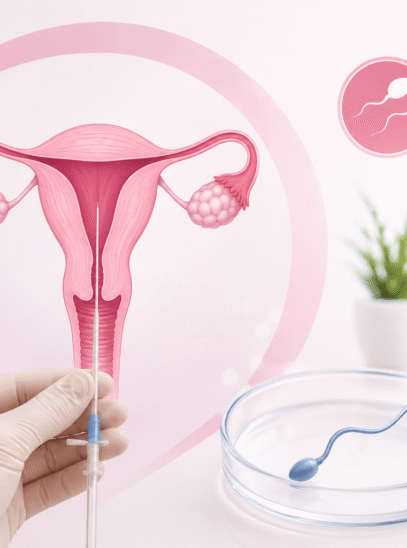
When ovulation induction with timed intercourse has not resulted in pregnancy after 3–4 cycles, IUI is the natural next step. Prepared sperm is placed directly into the uterus at the time of confirmed ovulation — significantly improving the chances of fertilisation. IUI at Praarambh IVF is performed by Dr. Parihar herself, with careful cycle monitoring throughout.
Stage 4 — IVF for PCOS
For women who have not conceived after IUI, or where other fertility factors are present alongside PCOS, IVF is recommended. Dr. Parihar uses carefully tailored PCOS-specific IVF protocols — typically low-dose stimulation with GnRH antagonist suppression — to produce a good number of eggs while minimising the risk of Ovarian Hyperstimulation Syndrome (OHSS).
Additionally, a freeze-all strategy is strongly recommended for PCOS patients — where all embryos are vitrified and transferred in a separate, unstimulated cycle. This approach eliminates OHSS risk almost entirely and consistently achieves excellent success rates. Women with PCOS often produce high numbers of good-quality embryos, making cumulative success rates across frozen embryo transfers particularly encouraging.
Positive note for PCOS patients: Women with PCOS typically have higher ovarian reserves than average. This means they often respond well to stimulation and produce strong numbers of embryos — which, with the right protocol and a freeze-all strategy, translates into genuinely encouraging cumulative IVF success rates at Praarambh IVF.
Understanding OHSS – The Main IVF Risk in PCOS
Ovarian Hyperstimulation Syndrome (OHSS) is the most significant IVF-related risk for women with PCOS. Because PCOS ovaries have many more resting follicles than average, they can over-respond to stimulation medications — producing too many follicles simultaneously and causing fluid accumulation, abdominal discomfort, and in rare severe cases, serious complications.
At Praarambh IVF, Dr. Parihar proactively manages this risk through:
- Low-dose stimulation protocols specifically calibrated for PCOS ovaries
- GnRH antagonist protocols allowing a GnRH agonist trigger — which virtually eliminates severe OHSS
- Freeze-all embryo strategy — eliminating the risk of OHSS worsening after transfer
- Close monitoring with regular ultrasound scans and oestrogen levels throughout stimulation
- Immediate action if early OHSS signs appear — Dr. Parihar adjusts doses in real time
As a result of these precautions, OHSS at Praarambh IVF is kept to a minimum — and severe OHSS is exceptionally rare.
Long-Term PCOS Management – Living Well with PCOS
Fertility treatment aside, managing PCOS as a long-term condition requires a consistent, multi-pronged approach. Dr. Parihar advises patients at Praarambh IVF on the following:
Diet and Nutrition
A low-glycaemic index (low-GI) diet — focusing on whole grains, vegetables, lean proteins, and healthy fats while minimising refined sugars and processed carbohydrates — reduces insulin resistance, helps manage weight, and directly improves hormonal balance. Additionally, reducing dairy and inflammatory foods benefits many women with PCOS, particularly those with acne or elevated inflammatory markers.
Exercise
Regular moderate exercise — 30–45 minutes most days — improves insulin sensitivity, supports healthy weight, and reduces androgens. Importantly, a combination of aerobic exercise and resistance training works better for PCOS than cardio alone. Furthermore, exercise significantly improves mood and reduces the anxiety and depression that frequently accompany PCOS.
Medication
Depending on your specific PCOS profile, Dr. Parihar may recommend:
- Metformin — an insulin sensitiser that reduces insulin resistance, improves ovulation, and supports fertility
- Inositol (Myo-inositol and D-chiro-inositol) — a supplement shown to improve insulin signalling and egg quality in PCOS
- Oral contraceptive pill — for women not currently trying to conceive, to regulate cycles and reduce androgen effects
- Anti-androgens — to manage hirsutism and acne when these are significant concerns
- Vitamin D, Omega-3, and targeted antioxidants — as part of a comprehensive PCOS supplement programme
Stress Management
Chronic stress elevates cortisol, which worsens insulin resistance and further disrupts hormonal balance in PCOS. Consequently, stress management is not optional — it is a clinical necessity. Mindfulness meditation, yoga, adequate sleep (7–8 hours), and setting boundaries around work and responsibilities all contribute meaningfully to PCOS management.
Real Stories from Praarambh IVF — PCOS Patients Who Became Mothers
“I had PCOS for 10 years and had been told repeatedly that I would struggle to conceive. When I came to Dr. Parihar, she changed my perspective completely. She put me on Letrozole and monitored my cycle carefully. I conceived naturally on my third ovulation induction cycle. My daughter is now 3 years old. I never thought it would happen this way.” — Kavita, 31, Indore
“After 4 years of trying with PCOS, we were referred for IVF. Dr. Yogita Parihar explained everything about the freeze-all protocol and why it was right for me. The first frozen embryo transfer worked. I can honestly say that Dr. Parihar’s patience and knowledge changed our lives.” — Priya & Suresh, Bhopal
“I came to Praarambh IVF at 34 with severe PCOS and high AMH. Dr. Parihar designed a low-dose IVF protocol that produced 14 eggs safely. We now have two frozen embryos remaining after the birth of our son. I cannot recommend her highly enough.” — Anita, Ujjain
Why Choose Praarambh IVF for PCOS Treatment in Madhya Pradesh
- Dr. Yogita Parihar identifies your specific PCOS type before designing any treatment plan
- Complete hormonal and metabolic investigation — not just an ultrasound
- Staged fertility approach — starting with lifestyle, progressing only as needed
- PCOS-specific IVF protocols with freeze-all strategy — maximising safety and success
- Proactive OHSS prevention with close monitoring throughout every cycle
- Long-term PCOS management support — beyond fertility, for whole-body health
- Transparent pricing with no hidden charges — full cost estimate before treatment begins
- Emotional support and counselling — because PCOS affects far more than the body
Frequently Asked Questions – PCOS and PCOD Treatment in Indore
Q1. What is the difference between PCOS and PCOD?
Both conditions involve the ovaries producing multiple small cysts and excess androgens. However, PCOD is generally considered a milder condition where the ovaries release immature eggs — often manageable with lifestyle changes alone. PCOS is a broader hormonal syndrome with more significant metabolic, endocrine, and fertility implications, typically requiring more comprehensive management. Dr. Parihar assesses each patient individually to determine the exact nature and severity of their condition.
Q2. Can PCOS be cured permanently?
PCOS cannot currently be ‘cured’ in the traditional sense — it is a lifelong condition. However, with the right lifestyle choices, appropriate medication, and regular monitoring, the vast majority of women with PCOS successfully manage their symptoms, protect their long-term health, and achieve their fertility goals. Many women find that symptoms improve significantly — and sometimes almost disappear — with consistent lifestyle management, particularly weight management and insulin control.
Q3. Can I get pregnant naturally with PCOS?
Yes — many women with PCOS conceive naturally, particularly those with milder forms of the condition or those who successfully address insulin resistance through lifestyle changes. For women who do not ovulate regularly, ovulation induction medications — prescribed and monitored by Dr. Parihar — significantly improve the chances of natural conception. IUI and IVF remain highly effective options when simpler measures do not succeed.
Q4. Does PCOS affect pregnancy once conceived?
Women with PCOS do carry a slightly higher risk of certain pregnancy complications — including gestational diabetes, gestational hypertension, and preterm birth. However, these risks are substantially reduced when PCOS is well managed before and during pregnancy. At Praarambh IVF, Dr. Parihar works closely with experienced obstetricians to ensure that every pregnancy achieved through her care is monitored and supported from the earliest stages.
Q5. Is IVF always necessary for PCOS patients?
No — the majority of women with PCOS do not need IVF to conceive. Many conceive with lifestyle modification alone or with oral ovulation induction medications. IVF is recommended only when simpler approaches have not succeeded, when other fertility factors are present alongside PCOS, or when the couple wants to proceed more quickly. Dr. Parihar always recommends the least invasive appropriate option first.
Q6. What is the cost of PCOS treatment at Praarambh IVF in Indore?
The cost of PCOS treatment varies depending on the stage of treatment required — from lifestyle counselling and oral medications (very affordable) through to IUI and IVF cycles. At Praarambh IVF, a complete, personalised cost breakdown is provided at your first consultation, before any treatment begins. There are no hidden charges. Contact the clinic directly at www.praarambhivf.com for current pricing information.
PCOS Is Not a Barrier — It Is a Starting Point
Living with PCOS can feel overwhelming — especially when fertility is a concern. The irregular cycles, the frustrating symptoms, the fear of what it means for your future family. But PCOS does not define what is possible for you. With the right guidance, the right treatment, and the right specialist, most women with PCOS go on to manage their condition effectively, live healthier lives, and have the families they have always wanted.
At Praarambh IVF in Indore, Dr. Yogita Parihar has helped countless women with PCOS move from uncertainty to confidence — from diagnosis to treatment, and from treatment to motherhood. Her personalised, compassionate approach means that every woman who walks through the doors of Praarambh IVF receives a plan that is truly designed for her — not a template, not a guess, but a genuinely individualised path forward.
PCOS does not mean you cannot have a family. It means you need the right partner to help you get there. Book your personal consultation with Dr. Yogita Parihar at Praarambh IVF, Indore today — and take the first step toward the health, the hormonal balance, and the family you deserve. Visit www.praarambhivf.com